I’m spending some time this weekend sorting through photos from our trip to southern Utah and I can’t wait to share them! This trip is something my husband especially has been looking forward to for awhile. It came from one of those conversations where we ask each other, “If you could go anywhere in ‘X Country,’ where would you go?” This spring we’d earmarked a week for a U.S. trip, and we both agreed it was time to tackle southern Utah.
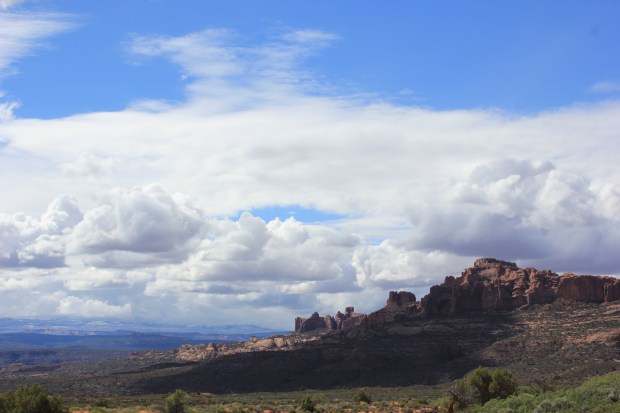 Going in, neither of us knew exactly what to expect, but I have to tell you, this trip has made its way into my top three for scenic beauty. Per usual, we packed a TON into just six days, but we never felt rushed – which makes it a very successful road trip in my book. Read below for a detailed itinerary of six days in southern Utah:
Day 1: Las Vegas, St. George
We flew in and out of Vegas, because it was the least expensive flight from our home airport. We’d both been to Vegas before, so we opted not to spend the night. Instead, we spent about five hours walking the strip, having lunch (at Flour & Barley, highly recommended for wood-fired pizza and an extensive beer menu), touring the National Atomic Testing Museum, and drinking beer flights at CraftHaus Brewery. From there, we drove two hours to St. George, Utah, where we spent our first night.
Day 2: Zion National Park in Springdale, Utah
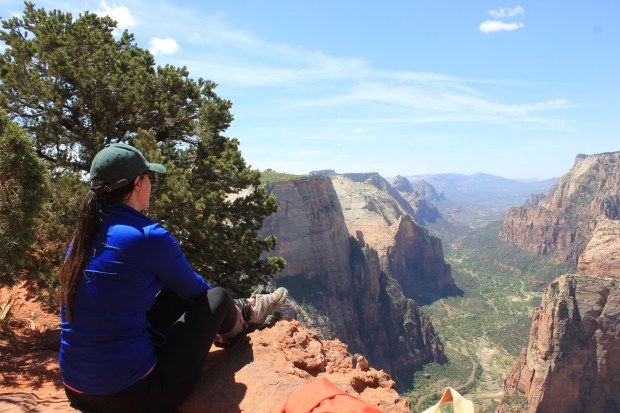
Observation Point in Zion National Park
We woke up at sunrise, packed our backpacks, and jumped in the car headed for our first national park of the trip. When we arrived in Springdale (about an hour from St. George) we grabbed a quick but hearty breakfast and made our way into the park. Quick tip – the national parks in Southern Utah, like many, require a day fee per vehicle of $25-$30. If you plan to see several, buy the America the Beautiful Inter-Agency pass. It’s $80 and worth it if you’re seeing at least three parks on your trip (or within one year, which is how long the pass is valid).
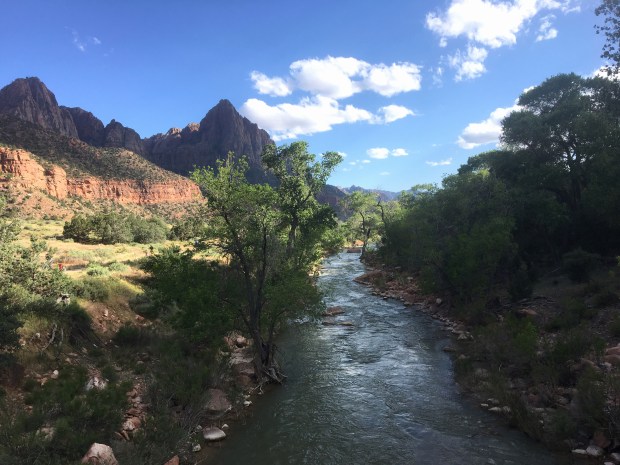
The Virgin River along Pa’rus Trail in Zion National Park
By 9 am, we were on the trail to Observation Point. This 8-mile steep out and back trail is labeled as strenuous, but the view at the top is so, so worth it. After a late lunch at Zion Brewing Company and some souvenir shopping, we went back out for a 3-mile out and back hike on the Pa’rus Trail. This easy trail is flat and follows the Virgin River as it winds through the park. It was the perfect way to end the day in Zion.
Day 3: Bryce Canyon National Park, Page

Red Canyon near Bryce Canyon National Park
Bryce is about an hour and 45 minutes from Springdale/Zion, so we got an early start on our drive. On the recommendation of our beertender at CraftHause in Las Vegas, we stopped first at Red Canyon, just 10 minutes outside of the national park, where we were able to get up-close and personal with the hoodoos this area is known for.
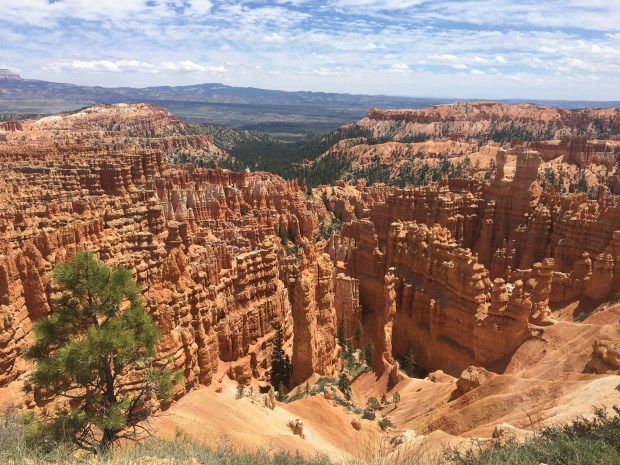
Views of Bryce Canyon National Park’s famous hoodoos from the East Rim Trail
From there we made our way into the park and directly to Bryce Point, arguably the best overlook in the area. From there, we jumped onto the East Rim Trail, which winds around the edge of the canyon. In roughly two miles we’d made our way to Inspiration Point, and then on to the famous Sunset Point. A quick shuttle ride back to our car at Bryce Point, and we were back on the road. Our hotel for the night was in Page, Arizona, where we’d spend the following day.
Day 4: Horseshoe Bend, Lower Antelope Canyon, Lake Powell, Monument Valley
 Page, AZ is a small town built in the middle of some absolutely amazing scenery. When we woke up, just after sunrise, we went immediately to Horseshoe Bend. We just missed the crowds who’d arrived to watch the sunrise, and had the view mostly to ourselves for the next hour.
 Next up, we toured Lower Antelope Canyon. This was SO COOL, and 100% worth the price of admission.
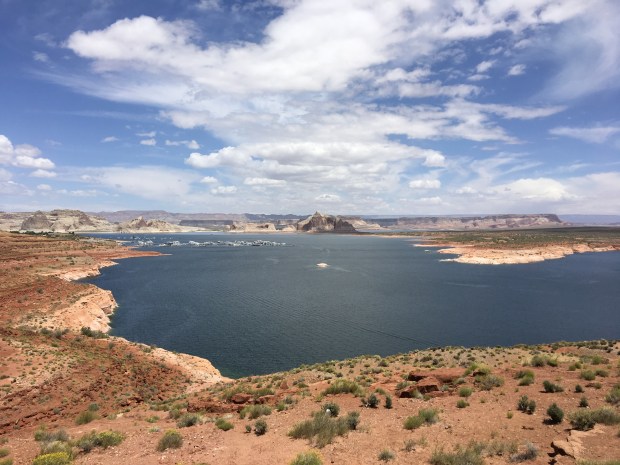 Lunch at Big John’s Texas BBQ was the food highlight of our trip, and fueled us up before we drove through Lake Powell/Glen Canyon Recreation Area (also a fee area, but covered by my America the Beautiful pass!). The views here honestly looked fake, as if it was a painting we were looking at. The photos just don’t do it justice.
 Another two-hour drive led us to Monument Valley. Our first stop was mile marker 13, where Forrest Gump just stopped running. From there we took in the views, pitched our tent at the campsite, and waited on the sunset.
Day 5: Moab, Canyonlands, Colorado River
 We’d intended to hike the Arches on day five, but Mother Nature wasn’t having any of it. After a three-hour drive from Monument Valley to a rainy Moab, we decided to grab lunch and drive through the Canyonlands. The clouds (and SNOW!) at the top prevented us from getting the full effect, but as we made our way back down the mountain we were able to see some pretty spectacular views.

Big Bend Campground along the Colorado River near Moab, Utah
We spent the rest of the day on touristy things – shopping and beer-ing at Moab Brewing Company. Early in the day, we’d staked out a spot at Big Bend Campground, and headed there before sunset to make a fire and enjoy our last night in Utah.
Day 6: Arches National Park, Las Vegas
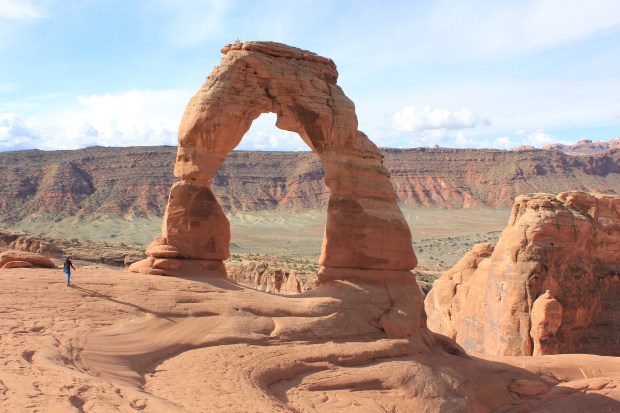 We woke up at our campsite along the Colorado River, and the sun was trying to make its way out from the clouds. We decided to head straight over to the Arches, and by the time we arrived, around 8:30 am, we were greeted by blue skies. We made the three-mile out and back trek to Delicate Arch, and it was the perfect way to end our trip.
From Moab, it took us about six and a half hours to drive back into Las Vegas. With a red-eye flight that night, we didn’t have much time to spare. But, we managed to sneak in dinner at a place that just really gets me – Tacos & Beer.
I can’t say enough about the scenery, the parks, the people. Southern Utah will go down as one of the best road trips we’ve done, ever. Look for more detailed accounts of some of our hikes and activities in the next couple of weeks! Have you been to Southern Utah? What was your favorite activity? Let me know in the comments.
 Maybe it’s the teamwork of it all or the hyper-focused attention you can give to each other that comes from being out of the everyday routine. But when I get the chance to go on an adventure with my husband, I feel like we connect in a way that simply isn’t possible elsewhere. Over the last ten years, we’ve hiked mountains, swam in oceans, road-tripped scenic highways and byways and navigated countries where the only words we knew in the native language were “please” and “thank you.” It wasn’t always smooth sailing, but over the years I’ve learned a lot about planning for a couples’ trip that really delivers.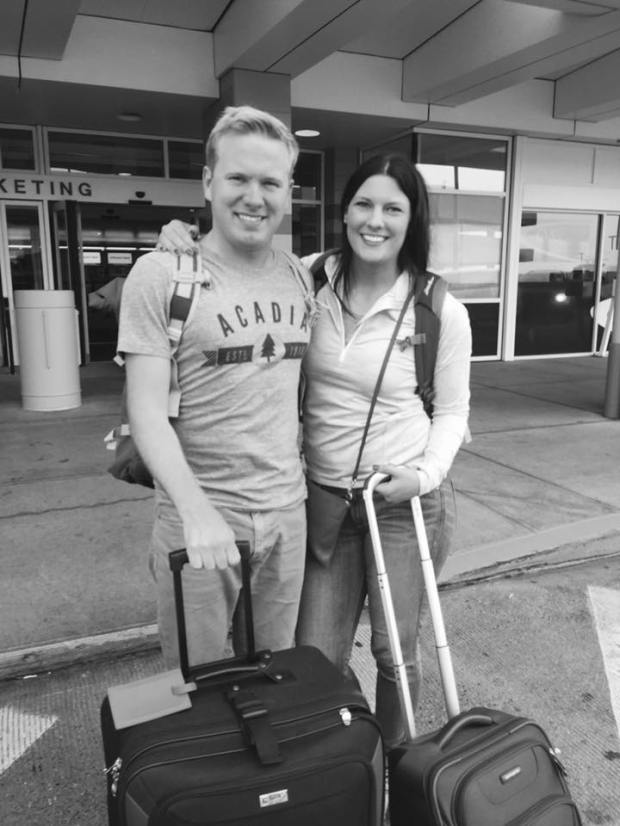




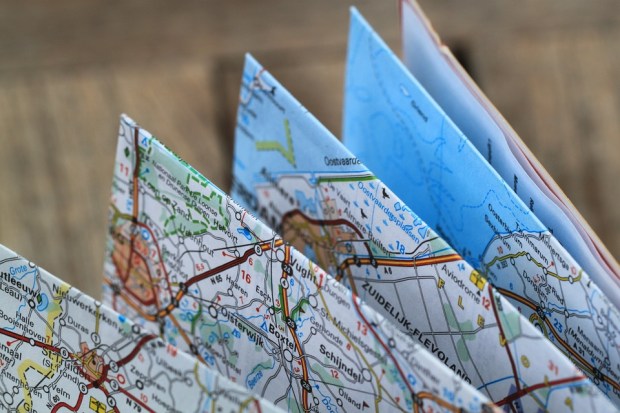 Research and plan for your next big trip. What better way to get excited than to research your next big trip? Sure, it might not happen for six months or a year, but you can use that time to discover destinations you never knew existed, add to your itinerary, or brush up on some useful language skills (if you plan to travel internationally). If you’re planning a particularly large trip that’s more than a year out, researching and budgeting can help you stay focused on your travel savings plan, and you’ll have plenty of time to find the best deals on transportation, lodging and attractions. Traveling and experiencing new things is the best – but planning for them is a close second, in my book.
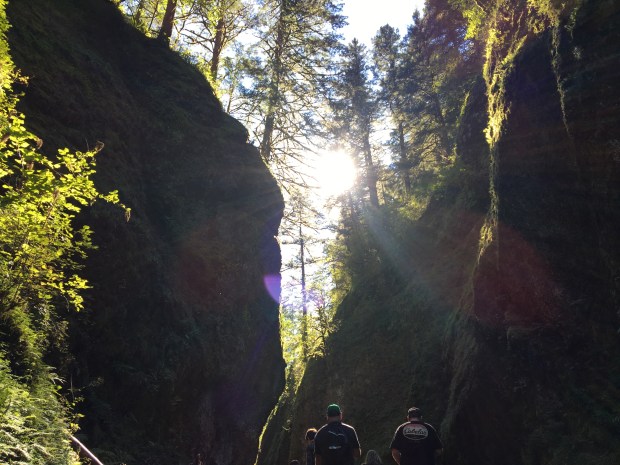 Keep going – five more minutes and you’ll arrive at Oneonta Gorge. Where Multnomah has multiple parking lots and shuttles that drop you off at the falls, Oneonta has parking along the roadway. And though it’s by no means deserted, you’re looking at sharing the gorge with 50 people vs. hundreds at the falls.
 Let me tell you what’s incredible about this hike.
 You hike through the water. No dry paths here! This is the best thing about hiking for me – that feeling when you see something so beautiful, but you don’t have to just look from far away. You can get into the thick of it. This hike goes to the extreme, dropping you into chest-deep water (only for a moment) and leading you straight to the heart of the gorge.
 Real talk: that water is cooooollllddd. The worst part is the first few steps into ankle deep water. Ever had to ice your foot after running or playing sports? It’s a little painful. But once you go deeper – it’s a gradual decline, from ankles to knees to waist, and then eventually chest deep – it just becomes thrilling, honestly. Look at the smile on my face! I was exhilarated.
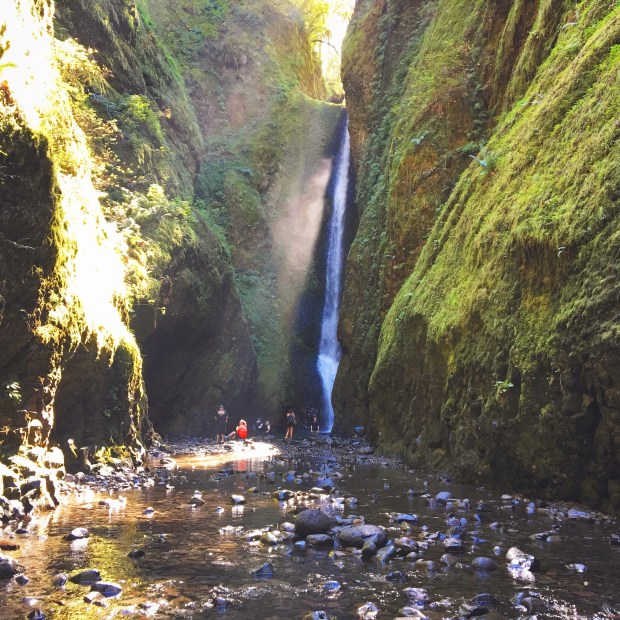 Just after you emerge from the deepest water, you’re in the middle of this gorgeousness. It’s not more than 15 minutes to get there, but by the time you see this waterfall you know you’ve worked for it.

















 Where I Will Roam